
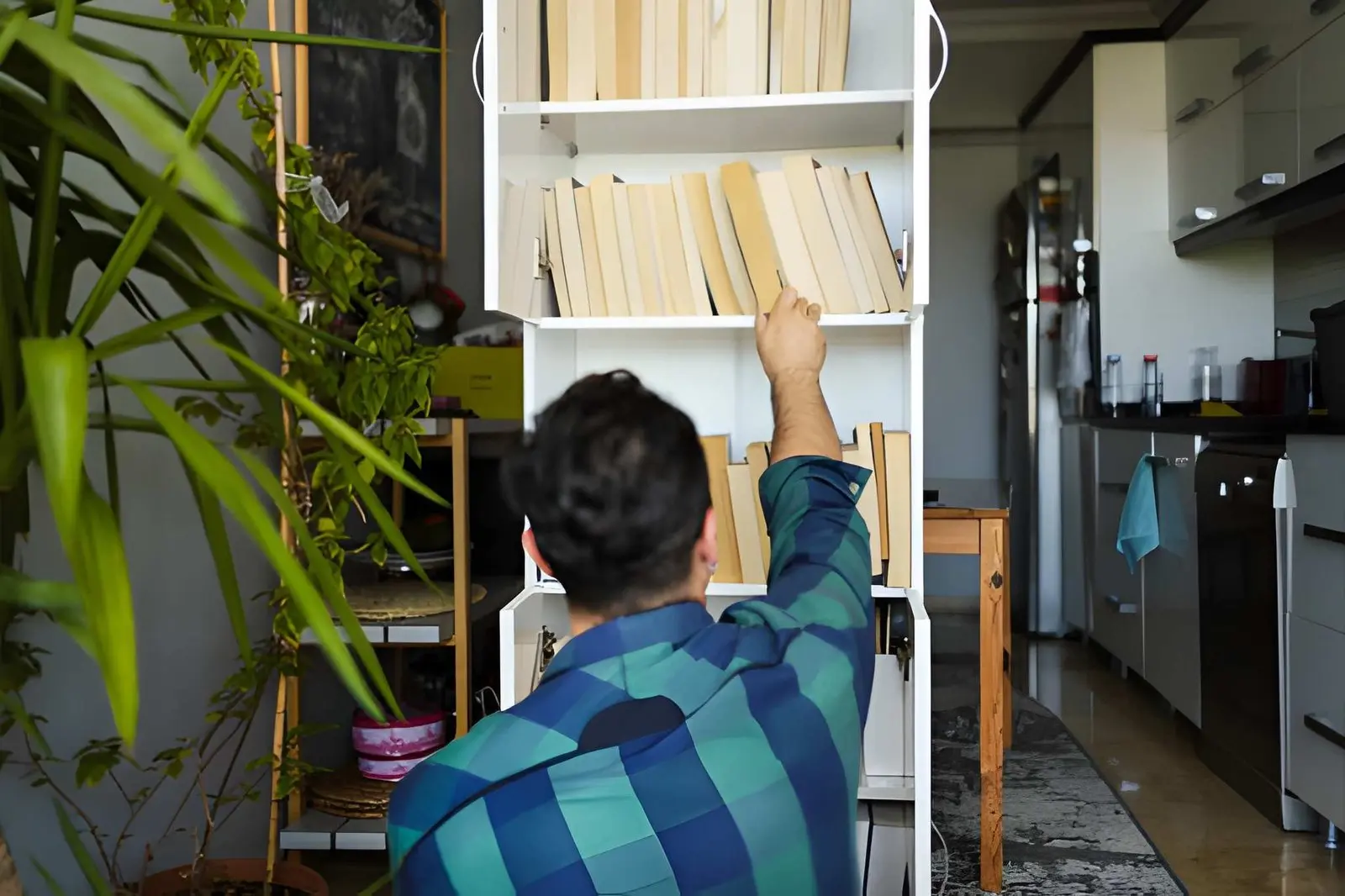
Studies show that clutter fuels stress, drains energy, and makes even simple tasks harder to manage. The piles on your desk, the overflowing wardrobe, the scattered odds and ends around your home—each one slowly chips away at your focus and calm.
On the other hand, a neat environment does more than please the eye. Decluttering isn’t about striving for a picture-perfect home. It’s about clearing space for better thinking, smoother routines, and a better way of living.
Let’s take a closer look at why clearing clutter has such a powerful impact on your mind, and how the psychology behind it can make the process much easier.
The Science Behind Decluttering
A tidy space does more than please the eye — it can completely change how you feel. Research by psychologist Dr Sherrie Bourg Carter shows that clutter raises stress levels, while organised surroundings boost calm and happiness.
In one survey, 81% of people said they felt more in control and less anxious after decluttering their homes.
Clutter might look harmless sitting on a shelf, but it quietly takes up space in your mind, too. Studies show that messy environments increase levels of cortisol, the stress hormone, which can leave you feeling anxious and mentally overloaded.
In contrast, tidy spaces send calming signals to the brain, lowering tension and improving overall mood.
There’s also a link between clutter and decision fatigue. Every object in view competes for your attention, draining mental energy and making it harder to focus or make clear choices.
Decluttering removes those silent distractions, freeing up brainpower for what truly matters. For those short on time, hiring a weekly maid service ensures clutter and dust don’t pile up, letting you focus your energy elsewhere.
Beyond surface tidying, professional cleaners can tackle hidden build-up in overlooked areas, leaving your home consistently fresh, hygienic, and easy to maintain.
Actionable Steps to Remove Clutter
Now that we know why clutter affects the mind, let’s look at how to tackle it, starting with the emotional side of letting go.
Letting Go of Sentimental Clutter
Our belongings often carry more than dust. They hold memories, emotions, and connections to our past. A childhood toy might bring back carefree days, while a well-worn book can remind you of a time or person you cherished.
It’s natural to feel attached, but holding on to everything can keep you anchored in the past and add emotional weight to your space.
Letting go doesn’t mean forgetting. It’s about honouring those memories without letting them crowd your present. Keep what genuinely brings comfort or meaning, and release what no longer serves you.
Each item you part with creates not just physical space, but emotional clarity. It’s a small step toward a lighter, calmer mind.
Creating a Decluttering Plan
Decluttering an entire home can feel overwhelming, but breaking the process into small, manageable steps makes it far less daunting.
Start with one simple space, like a bedside drawer, a shelf, or even just your handbag. Each small success builds momentum and motivation to keep going.
Making a list of target areas also helps you stay focused. Prioritise high-traffic spaces like kitchens, work areas, or living rooms, where clutter has the biggest impact on daily comfort. Once the clutter in these areas is sorted out, it’s easier to move on to the rest.
The key is consistency. Set aside short, regular sessions rather than waiting for clutter to pile up again.
Over time, these bite-sized efforts create lasting order and a calmer environment without the stress of marathon cleaning days.
Sorting Items into Keep, Donate, and Dispose
One of the most effective ways to tackle clutter is to sort your belongings into three clear categories: keep, donate, and dispose. It takes the guesswork out of figuring out what to keep, donate, or throw away.
Start small, such as a drawer, a shelf, or a single cupboard. Ask yourself: Do I use this regularly, or does it bring me joy? If yes, it goes in the “keep” pile. If it is in good condition but no longer needed, place it in the “donate” pile.
Anything broken, worn out, or useless goes straight into “dispose.”
One of the hidden benefits of decluttering is that it helps you spot what you already own. Before buying something new, check if you have a similar item tucked away.
Keeping a small inventory, taking photos, or even just doing a quick glance around your cupboards can stop you from doubling up on things you don’t need.
Applying the One-In, One-Out Rule
Following the one-in, one-out rule is the easiest way to keep clutter under control without constant tidying.
Every time something new comes through the door, like a pair of Blundstones or that cookbook you swore you’d use, something old has to go. It’s a simple equation that keeps cupboards from overflowing and wardrobes from groaning.
This rule works because it forces you to stay mindful of what you actually use and value. Over time, it turns decluttering into a habit rather than a chore. Adding the occasional seasonal reset to clear out forgotten items helps keep your home balanced, calm, and comfortably lived-in.
Avoiding Burnout
Taking on too much at once often leads to stress, so it’s smarter to aim for steady, achievable steps. A few minutes each week spent sorting or letting go of unused items is enough to maintain momentum.
Once you’ve found your rhythm, the next step is to make decluttering part of your everyday routine. Building decluttering into your schedule makes it easier to stick with.
Add small tasks to your planner, set phone reminders, or tie them to existing routines, like clearing the kitchen counter while the kettle boils. These little cues help keep clutter from sneaking back in.
If the process starts to feel overwhelming, it’s okay to ask for help. A professional organiser or cleaning service can provide structure and relief. This should allow you to keep moving forward without pressure.
Remember that lasting change comes from consistency, not one perfect clean-out.
Conclusion
Every postcard you’ve ever kept, every beautiful painting that’s stopped you in your tracks, and every Pinterest-worthy meal you’ve admired shares one thing in common: a sense of order.
Our minds are wired to find calm and delight in neatness. The same principle applies to our homes. When you declutter, you’ll create an environment that steadies your thoughts and lifts your mood.
Just make some changes in your cleaning routine. You’d be surprised how dramatically it transforms your surroundings and your mood.
Also Read-The Hidden Benefits of In-Home Care Nobody Talks About


