
Last updated on February 8th, 2026 at 04:40 am
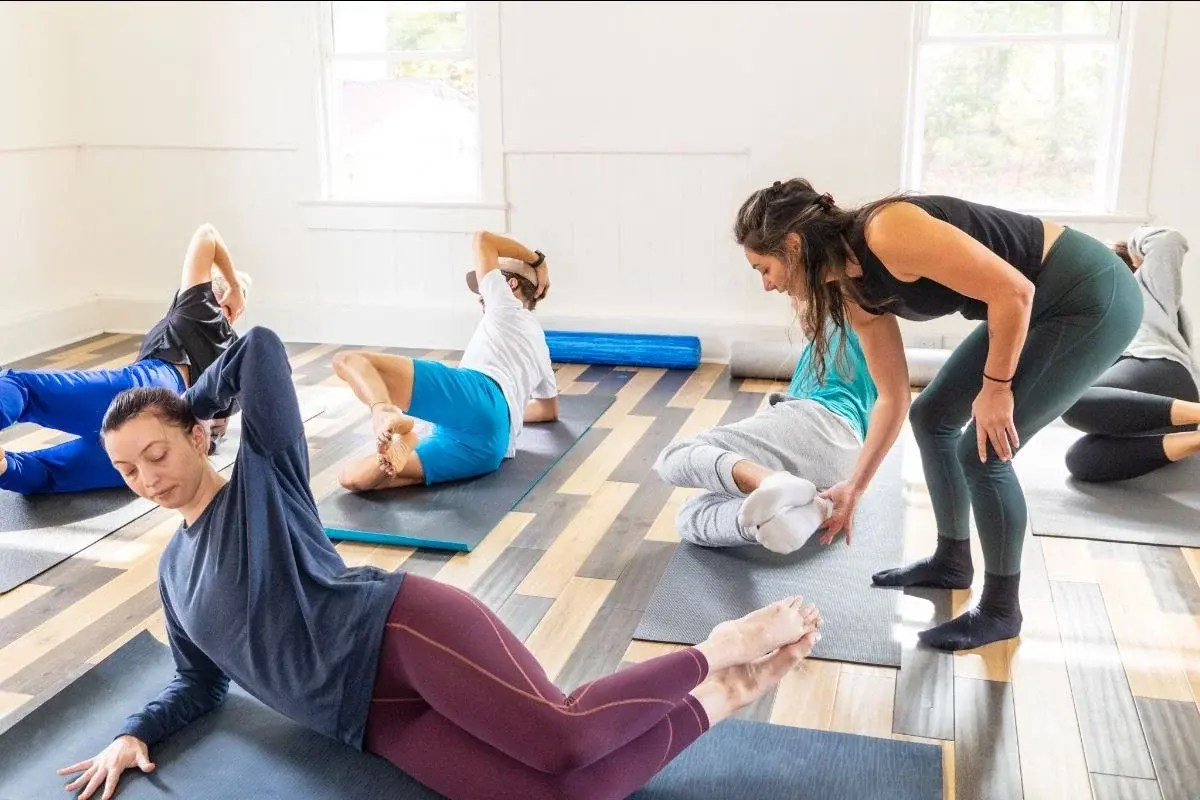
In Durham, North Carolina, a quiet fitness revolution is taking shape—one that prioritizes core strength, flexibility, and mental clarity over high-impact cardio and heavy lifting. Pilates, a century-old practice rooted in controlled movement and breath work, has found fertile ground in this university town, where residents increasingly seek workouts that integrate physical and mental well-being.
What began as a niche exercise method has evolved into a thriving community practice. Local studios have become gathering places for practitioners ranging from former athletes managing chronic pain to office workers seeking relief from desk-bound postures.
Why Pilates Resonates in Modern Fitness Culture
The appeal of Pilates lies in its comprehensive approach to physical conditioning. Unlike workouts that isolate muscle groups or prioritize cardiovascular endurance alone, this method addresses the body as an integrated system. Practitioners develop:
- Core stability that translates to improved posture and reduced lower back discomfort
- Functional flexibility that makes daily movements—from lifting groceries to playing with children—easier and safer
- Lean muscle development without the bulk associated with traditional strength training
- Body awareness that helps prevent injury during other physical activities
The mental health benefits deserve equal attention. Research published by the National Institutes of Health demonstrates that regular Pilates practice significantly reduces symptoms of depression, anxiety, and stress. The mechanism appears to involve the practice’s emphasis on mindful movement—participants must maintain focused attention on breath patterns and precise muscle engagement, creating a meditative state that quiets mental chatter.
The Method Behind the Movement
Joseph Pilates developed his namesake system during the early 20th century while working as a physical trainer. His goal was ambitious: create an exercise method that would simultaneously build physical strength, enhance flexibility, and sharpen mental focus. What emerged was a practice built on six foundational principles that distinguish it from conventional fitness approaches.
These core principles include concentration, which demands mental focus to execute each movement with intention; control, sometimes called “contrology,” emphasizing complete command over muscle engagement; and centering, which treats the core—or “powerhouse”—as the origin point for all movement. The practice also emphasizes flow, encouraging fluid transitions between exercises; precision, requiring exact positioning and alignment; and breathing, using specific patterns to oxygenate muscles and maintain focus throughout each session.
The evolution of Pilates from a rehabilitation tool to a mainstream fitness method reflects its adaptability. Originally used to help injured dancers and soldiers recover strength, the practice has been refined over decades to serve diverse populations, from prenatal women to competitive athletes.
The Retreat Experience: Immersion as Transformation
While weekly classes provide consistent practice, Pilates retreats offer something qualitatively different: the opportunity to step away from daily routines and immerse completely in the work. These multi-day experiences typically combine intensive practice sessions with educational workshops, rest periods, and community building.
The benefits of this immersive format include:
- Undivided attention: Without work emails, household responsibilities, or scheduling conflicts, participants can focus entirely on refining their practice
- Accelerated learning: Concentrated instruction allows practitioners to grasp concepts and correct form issues that might take months to address in weekly classes
- Expert feedback: Instructors can provide individualized attention and adjustments that aren’t always possible in regular group settings
- Community connection: Shared meals, group sessions, and downtime create bonds among participants who share common wellness goals
- Mental reset: The combination of physical work, natural settings, and reduced stimulation promotes genuine relaxation and stress relief
Durham’s retreat offerings cater to practitioners at all levels. Whether someone is exploring Pilates for the first time or has years of experience, the structured yet supportive environment allows for personal growth. These experiences often serve as turning points, transforming casual practitioners into committed students of the method.
Regional Variations: Pilates Across the Triangle
The Research Triangle region—encompassing Durham, Chapel Hill, and Raleigh—has developed distinct Pilates cultures that reflect each city’s character. Understanding these differences can help practitioners find the environment that best suits their preferences.
Chapel Hill’s approach tends toward the intimate and holistic. Studios in this college town typically emphasize small class sizes and personalized instruction, with many instructors incorporating complementary practices like yoga or physical therapy principles. The town’s slower pace and focus on wellness culture create an atmosphere where Pilates fits naturally into a broader lifestyle of mindful living.
Raleigh, as the region’s largest city, offers greater variety and innovation. Practitioners can choose from boutique studios specializing in classical repertoire, fitness centers incorporating Pilates into broader programming, and specialized facilities focusing on rehabilitation or athletic performance.
Durham occupies a middle ground, blending Chapel Hill’s community-oriented approach with Raleigh’s innovative spirit. The city’s studios tend to emphasize accessibility and inclusivity, creating welcoming spaces for practitioners regardless of fitness background or body type. This balance makes Durham particularly appealing for those new to the practice or seeking a supportive environment for deepening their work.
Finding Your Practice in Durham
Selecting the right Pilates class requires consideration of several factors beyond simple convenience. The wrong fit can lead to frustration or injury, while the right match can transform the practice from obligation to genuine pleasure.
Start by clarifying your objectives. Are you recovering from an injury and seeking gentle rehabilitation? Looking to complement another sport or fitness routine? Hoping to address chronic pain or postural issues? Or simply curious about trying something new? Your goals should guide your choice of class type, instructor, and studio environment.
Consider these practical factors:
- Experience level: Beginners benefit from foundational classes that thoroughly explain principles and build basic strength; advanced practitioners need instructors who can offer sophisticated variations and challenges
- Class format: Group mat classes offer affordability and community; equipment-based reformer classes provide resistance and support for certain movements; private sessions deliver personalized attention and custom programming
- Instructor credentials: Look for comprehensive certification from recognized programs, along with continuing education and specialized training relevant to your needs
- Studio philosophy: Some spaces emphasize classical repertoire and traditional sequencing; others incorporate contemporary research and cross-training principles—neither is inherently better, but one may resonate more with your preferences
- Practical logistics: Consistent practice yields better results than sporadic attendance, so choose locations and schedules you can realistically maintain
Most studios offer introductory packages or trial classes, allowing you to experience the instruction style and community before committing. Take advantage of these opportunities to find the environment where you feel both challenged and supported.
Durham residents can find Pilates practice from FlowCorps, Club Pilates Durham, or The Pilates Studio of Durham for personalized class selection.
Building a Sustainable Practice
The true benefits of Pilates emerge not from occasional participation but from consistent, progressive practice over months and years. This requires finding an approach that fits sustainably into your life—one that feels like a valuable investment rather than another obligation.
Durham’s Pilates community offers multiple entry points and pathways for development. Whether you start with weekly mat classes, invest in private instruction to address specific issues, or dive into retreat experiences for intensive learning, the key is beginning and maintaining momentum. The practice rewards patience and persistence, with improvements in strength, flexibility, and body awareness accumulating gradually but reliably.
For those ready to explore what Pilates can offer, Durham provides a welcoming environment with experienced instructors, diverse class options, and a community that values both individual growth and collective support. The practice’s emphasis on mindful movement and integrated fitness aligns well with contemporary understanding of health as encompassing physical, mental, and social well-being—making it not just a workout, but a sustainable approach to lifelong vitality.
Also Read-Top Healthcare Data Analytics Development Companies in 2025