Texting has its own language. From LOL and BRB to more risqué terms like DTF, modern slang travels fast and carries layered meanings.
Yet, despite its popularity, this particular acronym often creates confusion, embarrassment, or misunderstanding—especially when used outside casual settings.
Understanding what DTF truly means in text isn’t just about learning a slang term. It’s about decoding tone, intent, and cultural nuance in digital communication.
This guide breaks it all down clearly, with examples, cultural insights, and practical advice.
Core Definition of DTF
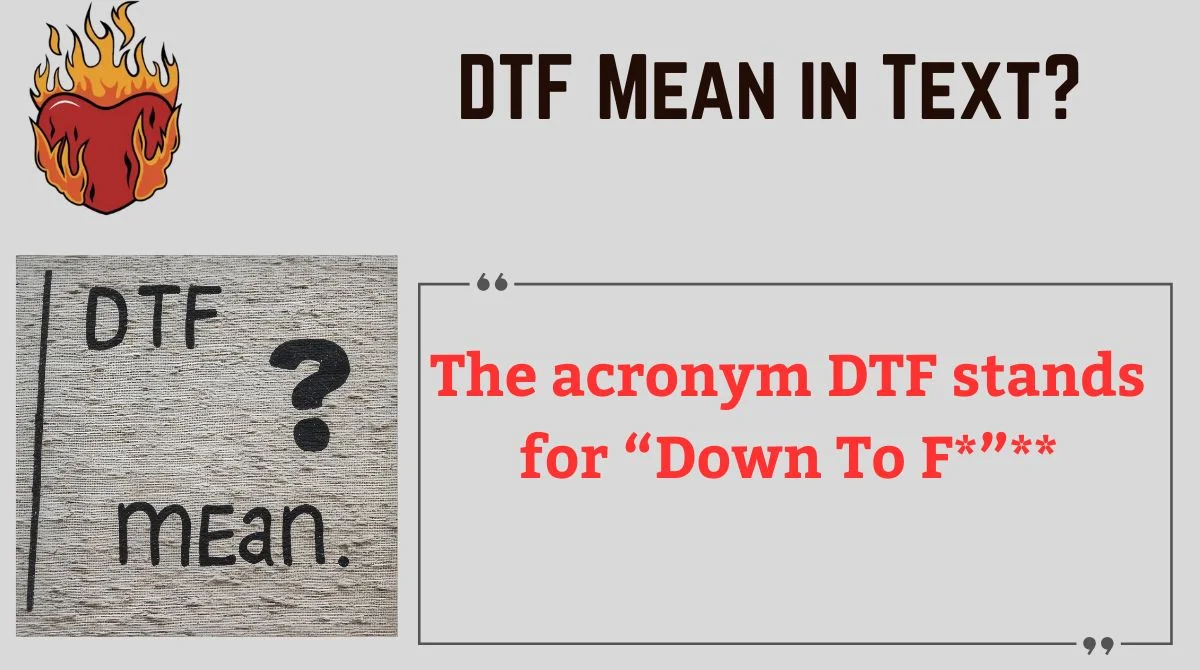
The acronym DTF stands for “Down To F*”**—a blunt, informal phrase that signals sexual willingness or interest, typically in casual or non-committal situations.
In texting, DTF is:
- Direct – It doesn’t dance around the subject.
- Context-dependent – Meaning shifts based on tone and relationship.
- Widely recognized – Especially among younger generations and dating app users.
| Term | Full Form | Common Use | Tone | Explicitness |
|---|---|---|---|---|
| DTF | Down To F*** | Texting, dating apps, social media | Casual, flirtatious, or bold | Explicit |
Quote: “DTF isn’t just slang; it’s a signal—a bold one. How it’s perceived depends entirely on who says it and where.”
While it’s considered vulgar in formal settings, it has been widely normalized in informal digital communication.
Origin and Cultural Background
DTF emerged in American slang in the early 2000s, becoming mainstream around 2009–2011 after being featured prominently in MTV’s “Jersey Shore”. One of the show’s cast members, Mike “The Situation” Sorrentino, often used the term to describe flirtatious or sexual encounters.
Pop culture played a massive role in spreading the term:
- Music: Hip-hop and pop lyrics adopted DTF to emphasize casual hookup culture.
- TV and movies: The term appeared in dialogues, meme culture, and comedic moments.
- Internet forums: Platforms like Reddit and early dating sites gave it traction among young adults.
Timeline Snapshot:
| Year | Cultural Event | Impact |
|---|---|---|
| Early 2000s | Informal online slang | Limited community use |
| 2009 | Jersey Shore premiere | DTF enters pop culture |
| 2010s | Social media boom | Mainstream slang |
| 2020s | Dating app dominance | Global recognition |
Why it stuck: it’s short, punchy, and leaves little room for confusion—perfect for quick text exchanges.
Contextual Usage Scenarios
The meaning of DTF in text can shift dramatically depending on where and how it’s used. Here are some common scenarios:
Casual Conversations
Among close friends, DTF might appear playfully or sarcastically, without any serious intent.
Example:
“She’s totally DTF for that pizza night 🍕.”
(Playful exaggeration, no sexual intent.)
Flirtatious or Dating Situations
In dating app chats, it’s often used literally to signal interest in casual encounters.
Example:
“No games. I’m DTF if you are.”
(Direct sexual invitation.)
Memes and Social Media
Many meme creators use DTF humorously, mixing it with unrelated contexts.
Example:
“DTF (Down To Feast)” with a picture of a loaded burger 🍔.
Pop Culture References
TV shows, stand-up comedians, and influencers often use it to satirize dating culture.
👉 Key takeaway: Tone and context determine meaning, not just the acronym itself.
Misinterpretations and Clarifications
DTF can lead to awkward or serious misunderstandings if taken out of context.
Common Misconceptions:
- “It always means the same thing.”
→ No. Context changes everything. - “It’s harmless fun.”
→ It can be offensive or threatening depending on the recipient. - “Everyone uses it.”
→ Many cultures find it vulgar or disrespectful.
Clarifications:
- Consent is non-negotiable. DTF doesn’t override boundaries.
- Not every playful use implies actual intent.
- In legal or professional spaces, using DTF can lead to harassment claims or disciplinary action.
⚠️ Important: DTF is not a neutral acronym. It carries explicit meaning, which is why using it carelessly can escalate misunderstandings fast.
Related Slang and Alternative Expressions
Many alternative slang terms orbit around DTF, each with its own nuance.
| Term | Meaning | Usage | Explicitness |
|---|---|---|---|
| FWB | Friends With Benefits | Casual relationship | Medium |
| NSA | No Strings Attached | Sexual encounter | High |
| Hookup | Casual sexual activity | Widely used | Medium |
| Chill | Implicit invitation | Context-sensitive | Low–Medium |
| Smash | To have sex (informal) | Meme & youth slang | High |
Fun fact: Some people use humorous versions like “Down To Feast” or “Down To Fun” to soften the impact of the original phrase.
How to Respond When Someone Uses DTF
How you respond depends on your comfort level and relationship with the person.
If You’re Interested
- Direct but respectful: “Yeah, I’m open to it. Let’s be clear about boundaries.”
- Playful: “You read my mind 😉.”
If You’re Not Interested
- Polite: “I’m not into that.”
- Firm: “That’s not my vibe. Please respect that.”
If Unsure or Uncomfortable
- Clarify intent: “What exactly do you mean by DTF?”
- Set boundaries: “That kind of talk makes me uncomfortable.”
👉 Pro tip: Always prioritize clear communication and personal comfort over pressure.
Cultural and Regional Variations
DTF may not carry the same weight globally.
| Region | Perception | Commonality | Cultural Tone |
|---|---|---|---|
| North America | Normalized slang | High | Casual, direct |
| Europe | Mixed reception | Medium | Varies |
| South Asia | Often taboo | Low | Considered vulgar |
| Middle East | Offensive | Very low | Restricted use |
| Online global | Meme-friendly | High | Humorous tone often |
Why this matters: Using DTF in the wrong region or cultural context can lead to serious backlash.
In conservative societies, using sexually explicit slang—even jokingly—can damage reputations or trigger legal consequences.
DTF in Online Communities and Dating Apps
DTF thrives on platforms that prioritize casual dating or fast interactions, such as:
- Tinder
- Bumble
- Grindr
- Hinge
- Snapchat & Instagram DMs
On these platforms, people often use DTF in bios or opening lines to filter out mismatched expectations.
Example bio: “Here for a good time, not a long time. DTF.”
However, the same language can come off as disrespectful on more relationship-focused platforms. Platform culture shapes how DTF is perceived.
Hidden or Offensive Connotations
While some view DTF as cheeky slang, others see it as offensive or objectifying.
Why it’s considered offensive by some:
- Reduces complex human interaction to physical intent.
- Can feel aggressive or non-consensual if unsolicited.
- Creates awkward or unsafe situations when misread.
Situations where DTF can cross the line:
- Workplace messages or professional channels.
- Messaging minors or vulnerable individuals.
- Using it in public forums where explicit content isn’t welcome.
Using this slang irresponsibly can result in social, professional, or even legal consequences.
Professional and Formal Communication Considerations
There’s a clear line:
👉 DTF has no place in professional communication.
Why:
- It’s sexually explicit.
- It can constitute harassment if used in workspaces.
- It can permanently damage reputations.
Examples of missteps:
- Sending DTF in corporate chat systems → HR violation.
- Using DTF in an email thread or Slack → disciplinary action.
- Joking with colleagues using DTF → potential legal escalation.
Even in casual workplaces, slang with sexual undertones should be avoided.
Comparisons with Other Similar Slang Terms
Here’s how DTF stacks up against other popular digital slang:
| Term | Explicitness | Tone | Use Case | Risk Level |
|---|---|---|---|---|
| DTF | High | Direct, bold | Dating, flirting | High |
| FWB | Medium | Playful | Casual relationship | Medium |
| NSA | High | Blunt | Hookups | High |
| NSFW | High | Warning label | Content labeling | Low |
| Chill | Low–Medium | Subtle | Implied invitation | Low |
👉 Key difference: DTF doesn’t mask or soften meaning. It’s explicit and unmistakable, making it riskier but more direct.
Frequently Asked Questions (FAQs)
What does DTF stand for in text?
DTF stands for Down To F*.** It signals sexual willingness, typically in casual or non-committal contexts.
Is DTF always sexual?
Mostly yes. While it can be used playfully or humorously, its primary meaning remains sexual.
Can DTF be used as a joke?
Yes, many use DTF humorously in memes or among friends. But intent and tone are critical.
Is DTF appropriate in all settings?
No. It’s not appropriate in formal or professional communication.
How should I respond if someone texts me DTF?
Respond based on your comfort level. You can accept, decline politely, or ask for clarification.
Final Thoughts
DTF isn’t just a four-letter acronym—it’s a reflection of how digital slang shapes modern intimacy and communication. It can signal consent, flirtation, or humor, but it can also offend, mislead, or violate boundaries if used carelessly.
Using DTF responsibly means understanding context, culture, and personal comfort. Language has power, especially online. Choose your words wisely, and never ignore consent or respect.

Mark Peter is the creative mind behind RizzleLineLove.com, your go-to hub for witty, flirty, and downright hilarious pick-up lines. With a passion for blending humor and charm, Mark crafts content that sparks conversations, breaks the ice, and adds a playful twist to everyday moments.
Whether you’re looking to impress your crush, make your friends laugh, or spice up your social media captions, his work is all about helping you connect — one clever line at a time.