

Relationships followed a familiar pattern for many years. People met at school, through friends, at work, or during social gatherings. Conversation happened face-to-face first, and communication slowly developed afterward. Today, the order often works in reverse. Two people may know each other’s interests, opinions, and daily routines before they ever meet in person.
Digital communication created this shift. Messaging apps, social platforms, and online communities allow people to interact comfortably from a distance. As curiosity about different cultures grows, searches like how to meet Argentina girls online appear within conversations about global friendships. And specialized platforms sometimes help people connect with others who share interests across countries. Instead of replacing relationships, technology has simply changed how they begin.
The Shift from Passive Scrolling to Social Discovery
Social media platforms like Instagram and TikTok have evolved into unintentional dating hubs. Users often find themselves drawn to someone’s personality through their shared content, comments, or curated “stories” before any romantic intention is even voiced. This “social discovery” mimics the slow-burn attraction of a workplace or a friend group, but on a massive, digital scale.
Furthermore, the barrier to entry for starting a conversation has lowered. A simple “reaction” to a story or a thoughtful comment on a post serves as a low-stakes icebreaker. This replaces the daunting “What should I say?” of a first message with a contextual prompt. Because these interactions occur within a person’s existing digital life, they often feel more authentic and less like a formal interview.
Types of Digital First Impressions
- The curated persona: A user’s grid acts as a visual resume, showcasing hobbies, travel history, and aesthetic preferences.
- The authentic glimpse: Stories and “photo dumps” provide a less polished, more relatable look into a person’s daily routine and sense of humor.
- The intellectual hook: Commentary on news, books, or niche interests helps potential partners gauge intellectual compatibility before the first “hello.”
Social Media as a Multidimensional Pre-Vetting Tool
Before the first physical date even occurs, social media provides a level of “pre-vetting” that was impossible for previous generations. We are no longer walking into dates with strangers; we are meeting people whose political views, social circles, and lifestyles have been largely verified through their digital footprint. While some argue this kills the mystery, others suggest it builds a foundation of safety and mutual understanding that makes the eventual meeting more comfortable.
However, this constant access to information also creates a paradox. While we know more about our potential partners, we are also prone to making snap judgments based on a single post or a “tagged” photo from five years ago. This digital forensics can lead to “vibe checks” that are often more about pattern recognition than genuine human interaction. Consequently, the challenge for modern daters is balancing the utility of this information with the need to remain open-minded.
The Rise of Interest-Based Communities
The move away from general-interest platforms toward niche communities is perhaps the most significant change in how relationships begin today. Whether it is a Discord server for tabletop gamers, a Reddit thread for marathon runners, or a specialized group for cultural enthusiasts, these spaces allow people to bond over shared passions first. In these environments, romance is often a byproduct of community engagement rather than the primary goal.
When you meet someone in a community focused on a specific passion, the groundwork of compatibility is already laid. You aren’t just matching based on a photo; you are connecting through a shared language of interests.
Why Niche Communities Are More Effective
- Shared values: Members often align on fundamental lifestyle choices or worldviews from the outset.
- Reduced performance pressure: Because the focus is on a hobby or topic, individuals can be themselves without the “dating” mask.
- Organic progression: Relationships often move from group discussions to private messages naturally, mirroring real-world friend-to-lover dynamics.
Redefinition of Intimacy through the “Talking Stage”
The “talking stage” — the period between the first interaction and the first official date — has become an elaborate ritual shaped entirely by social media tools. Voice notes have replaced the traditional phone call, offering a way to hear a person’s tone and inflection without the pressure of a synchronous conversation. Memes have become a new form of love language, allowing couples to build an “inside joke” library before they have even shared a meal.
Moreover, the transparency of social media means that “seeing someone” often involves seeing their entire world. Watching their stories provides a sense of presence that keeps the connection alive between physical meetings. This continuous stream of communication can accelerate intimacy, making the first few dates feel like the middle of a story rather than the beginning. It creates a sense of “digital proximity” that keeps the fire burning even when physical distance or busy schedules get in the way.
Navigating the Digital Transition
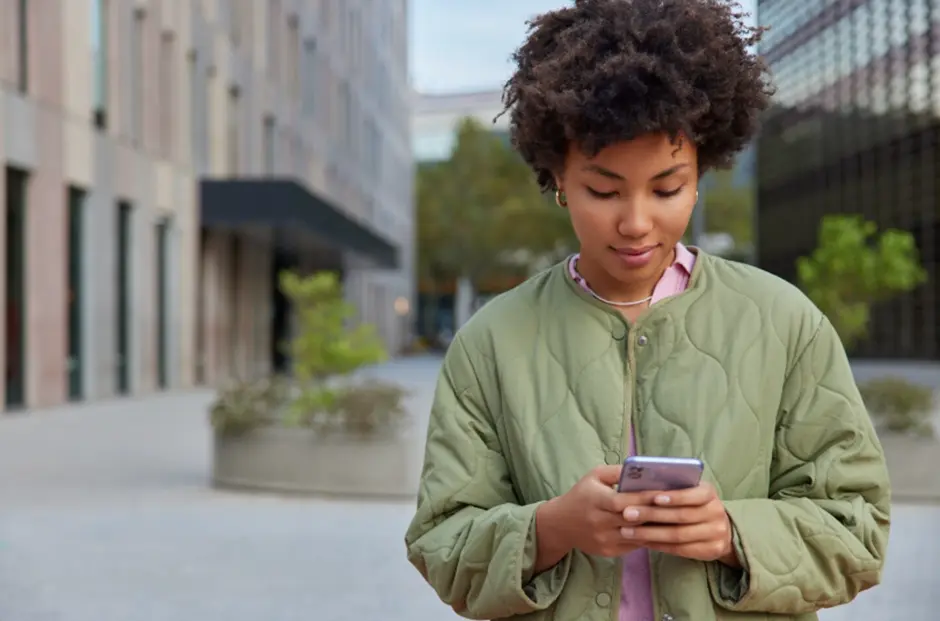
Ultimately, while the tools we use to find love have changed, the fundamental human desire for connection remains the same. Social media provides the map and the compass, but it does not walk the path for us.
As we move further into this era of digital-first relationships, the key to success lies in using these platforms as a bridge to reality, not a replacement for it. By leveraging the vetting power and community aspects of social media while maintaining a commitment to authentic, offline interaction, modern daters can navigate this new landscape with both wisdom and heart.
Also Read-Socialwick.com Review: A Deep Dive Into Quality, Speed & Safety


