Most homeowners never think twice about what’s happening inside their roof.
And that’s exactly the problem.
Ventilation of your roof is one of the most neglected aspects of homeownership. It affects energy costs, structural damage and lifespan. Eventually your wallet will make you notice if you neglect it.
Here’s the thing…
Roofing financing is something you will likely encounter whenever you need roof repairs or a complete roof replacement. Ventilation just so happens to come into play nearly every time. Premier Roofing Contractors in New York know this quite well — poor ventilation is one of the leading causes of premature roof failure.
What’s inside this guide:
- What Is Roof Ventilation?
- The Silent Damage Nobody Warns You About
- The Energy Bill Nobody Expects
- Warning Signs Your Roof Is Struggling To Breathe
- Types Of Vents Every Homeowner Should Know
- Making Ventilation Part Of Your Roofing Plan
What Is Roof Ventilation?
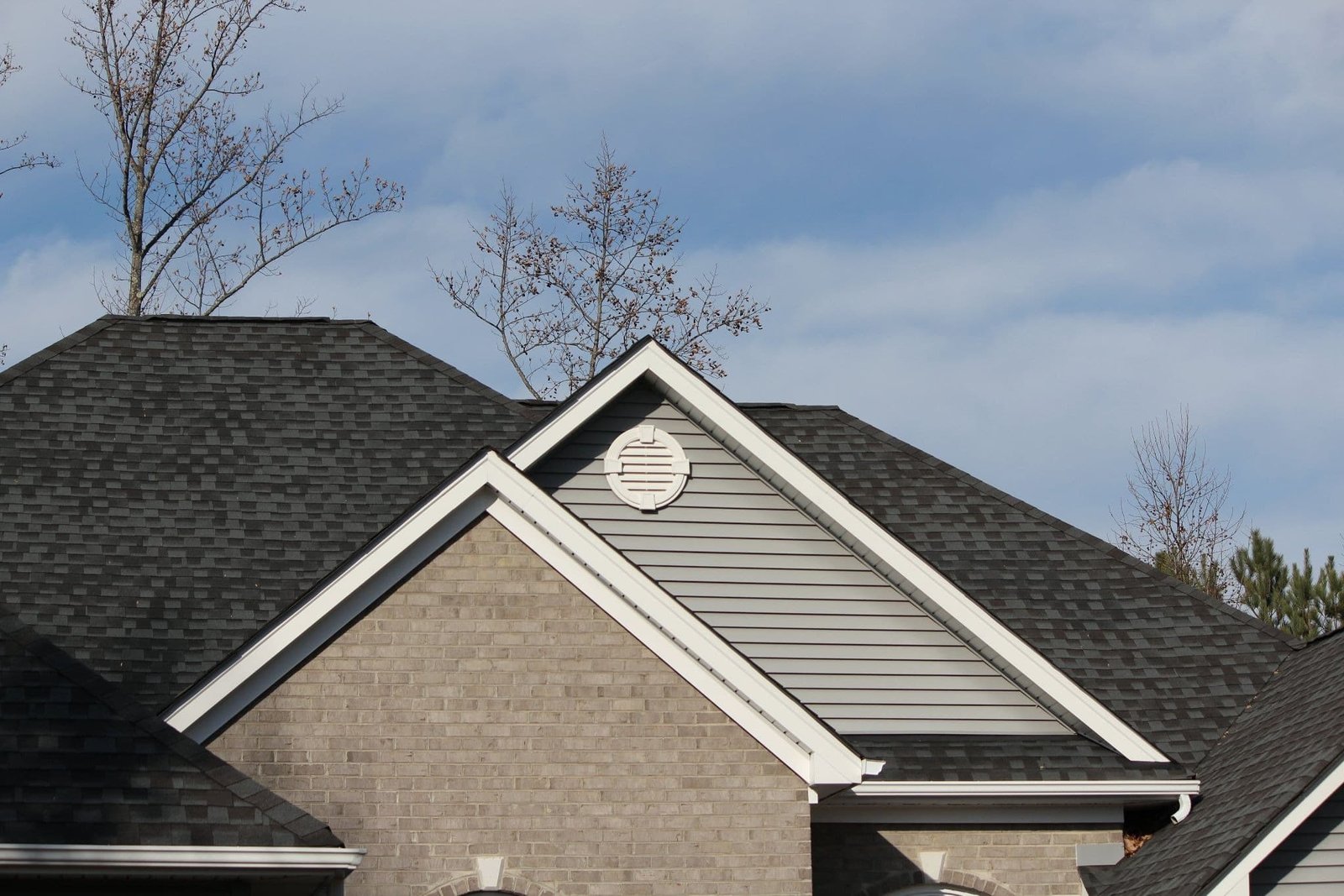
Roof ventilation provides airflow throughout the attic area of a structure. Cool fresh air enters the soffits via intake vents while hot, humid air exits through roof mounted exhaust vents near the ridge of the roof.
It sounds simple. But when that balance breaks down, the consequences are significant.
A well-balanced system moderates heat and humidity. Each can cause extreme damage when trapped inside your home – and neither are detectable until it’s too late (costly to repair).
The Silent Damage Nobody Warns You About
Here’s something that catches most homeowners completely off guard…
Bad roof ventilation can cut 10+ years off the life of your roof. That’s a huge loss on something that you want to be a 25-50 year investment. It also affects more than…
Condensation-causing moisture is a common invitation for mold to grow in non-ventilated attics. In fact, recent studies have found 47% of homes have either visible signs of mold or smell mold – which is largely due to lack of ventilation.
Think about what trapped moisture actually does over time:
- Saturates insulation and destroys its effectiveness
- Warps and rots the wooden roof decking sitting beneath the shingles
- Causes shingles to curl, crack, and shed granules prematurely
- Sets the stage for dangerous ice dams during colder months
On a summer day your unventilated attic can reach temperatures of 150°F. This extreme heat deteriorates shingles from the inside out — and most homeowners aren’t aware it’s occurring until it’s too late.
Pretty alarming, right?
The Energy Bill Nobody Expects
This is where improper ventilation hits hardest…
An attic acts as a heat trap making your air conditioner work harder than necessary. The extra stress quickly accumulates — and energy bills increase up to 15% each month because of poorly ventilated attics.
Flip that statement around. A properly ventilated attic can reduce cooling costs by 10-15% in the summer months alone.
One year of that comes straight back to the homeowner’s pocket.
And winter isn’t any different. Warm air rises from the conditioned living spaces below into your attic. It condenses on your cold roof deck. That condensation ruins insulation and makes your heating system work overtime — which means higher bills year-round when ventilation is inadequate.
Roof ventilation isn’t just a roofing concern. It’s an energy efficiency issue.
Warning Signs Your Roof Is Struggling To Breathe
Ventilation issues don’t wake you up at night with their presence. They sneak around slowly. There are warning signs to look for before things get worse.
Here’s what to watch for:
- Unusually high energy bills during summer and winter months
- Ice dams forming along the eave edge in colder months
- Mold, mildew, or a musty smell inside the attic space
- Shingles that are curling, blistering, or losing granules
- Warm or stuffy upper floors that never seem to cool down properly
- Frost or condensation forming on attic surfaces
If you see one of these, take notice. See two or more? Time to call in the pros…and do it soon.
Types Of Vents Every Homeowner Should Know
Ventilation systems vary from roof to roof. Learn these simple types so you can discuss your options with any roofing contractor.
Length of roof ridge covered with vents allowing continuous airflow along the entire length of roof peak. Ridge vents are subtle looking, very powerful, and offer some of the best passive ventilation available.
Soffit Vents. Located under the eaves, soffit vents provide cool fresh air entering the attic from underneath. Soffit vents should always be matched with exhaust vents located farther up on the roof.
Installed in the triangle portion of your wall near each end of the attic, Gable Vents provide cross ventilation and compliment ridge and soffit systems nicely.
Powered Attic Fans force air up into your attic through the power of a motor. They can help if you have a larger home, or live in an area where natural ventilation can’t keep up.
Ideal configurations involve two fans….Cold air flowing in bottom, hot air exhausted top. Equilibrium is desired.
Making Ventilation Part Of Your Roofing Plan
Here’s what most homeowners miss entirely…
Improved ventilation is nearly always less expensive than the problems it can prevent. Finding a ventilation problem early may save you from an expensive roof replacement.
If you’re considering your roofing financing options — for repairs, replacement or a new roof — it’s important to consider ventilation as part of the equation from the beginning. Ventilation can often be packaged with other roofing work by many contractors, which can make it much easier to afford up front and ensure your entire investment is protected for years to come.
Investment in adequate ventilation now means you won’t have to spend money on mold removal, structural damage or an early roof replacement down the road. That’s important for homeowners who are already shopping around for roofing financing.
Here’s The Bottom Line
Attic ventilation is unobtrusive. Most people never think about it — until there’s a problem.
Rotting roof deck, silent attic mold growth, sky-high energy bills and cumulative structural damage. Doesn’t sound very exciting until you get the estimate for repairs.
The good news is ventilation is one of the least expensive components of your roof system to correct if discovered early. Schedule a ventilation evaluation, learn what you have and plan around it — prior to it creating more damage than needs be.
Also Read
- The One Approach That Works Across Slots, Tables, and Crash Games
- The Digital Gaming Standard Set by King88
- The One Approach That Works Across Slots, Tables, and Crash Games