
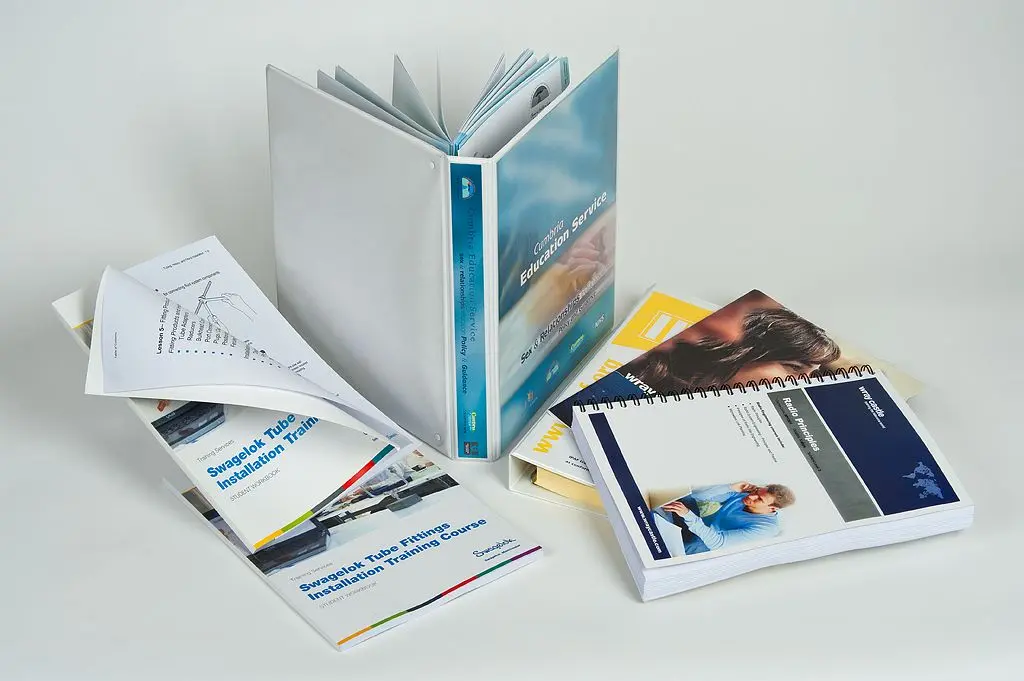
What Should You Know Before Ordering Booklet Printing in London?
You’ve got a deadline looming. Maybe it’s a property brochure that needs to impress potential buyers tomorrow. Or perhaps it’s a training manual for a session happening in 48 hours. Whatever the reason, you need booklets printed, and you need them fast.
Here’s the thing: rushing into booklet printing without a proper plan can lead to costly mistakes. Wrong paper stock. Dodgy binding. Colours that look nothing like your screen. We’ve seen it all, and it’s frustrating when it happens to you.
This checklist will walk you through everything you need to consider before hitting that order button. You’ll learn how to avoid common pitfalls, what questions to ask your printer, and how to ensure your booklets arrive on time looking exactly as you envisioned.
Why Quality Matters More Than You Think
Look, anyone can slap some pages together and call it a booklet. But when you’re handing these to clients, stakeholders, or event attendees, you’re making a statement about your business.
Poor quality printing screams “unprofessional” louder than any words on the page. Smudged ink, misaligned pages, or flimsy paper stock can undermine even the most brilliant content. Your booklet is often the first physical touchpoint someone has with your brand. Make it count.
First Colour has been serving London businesses since 1995, and they’ve built their reputation on understanding this exact pressure point. Speed matters, yes. But quality? That’s non-negotiable.
Your Pre-Printing Checklist: What to Sort Before You Order
Have You Checked Your File Format and Resolution?
This is where most urgent projects go wrong. You’ve designed something beautiful on your screen, but it looks pixelated when printed. Not ideal when you’re trying to impress.
Your printer needs high-resolution files, typically 300 DPI (dots per inch) for professional results. PDFs are your safest bet, but make sure they’re print-ready. That means embedded fonts, correct colour profiles (CMYK, not RGB), and bleed areas if your design goes to the page edge.
Printers can often fix minor issues, but that takes time. When you’re on a tight deadline, you don’t have time to waste.
What’s Your Actual Timeframe?
Be honest about when you genuinely need these booklets. “As soon as possible” doesn’t help anyone plan properly. If you need them by 9am Tuesday for a morning meeting, say that.
First Colour specializes in same day report printing, operating Monday to Friday with 24-hour service and Saturday hours from 10am to 4pm. They’ve been the emergency print room for London professionals for nearly three decades, so they understand deadline pressure better than most.
But here’s what matters: even the fastest printer can’t compensate for artwork that’s not ready. Sort your files first, then discuss timelines.
Have You Chosen the Right Paper Stock?
Paper selection sounds boring until you get it wrong. Too thin, and your booklet feels cheap. Too thick, and it won’t fold properly or might exceed your budget.
Consider what your booklet needs to do. Training manuals that get handled frequently? You’ll want something durable, perhaps 150gsm for inner pages. High-end property brochures? Silk or gloss-coated paper makes images pop. Environmental reports? Recycled stock might align better with your message.
The cover usually needs heavier stock than inner pages. A common combination is 250gsm for covers and 130-150gsm for contents. Don’t guess. Ask your printer what works best for your specific project.
Binding Options: More Important Than You’d Expect
Which Binding Method Suits Your Needs?
This isn’t just about aesthetics. The binding method affects how your booklet opens, how long it lasts, and whether pages stay put.
Saddle-stitched binding (staples through the spine) works brilliantly for booklets up to about 60 pages. It’s cost-effective, quick to produce, and lies reasonably flat when open. Perfect for event programmes, product catalogues, or corporate brochures.
Perfect binding (the square spine you see on paperback books) suits thicker booklets, typically 28 pages or more. It looks more professional and allows you to print information on the spine. Great for annual reports, comprehensive guides, or premium marketing materials.
Wire or spiral binding lets pages turn 360 degrees and lie completely flat. Ideal for manuals, cookbooks, or anything people need to use hands-free. However, it takes longer to produce and costs more.
How Many Pages Do You Actually Need?
Here’s something that catches people out: most booklet printing works in multiples of four pages. That’s because each printed sheet creates four pages when folded. If your content runs to 22 pages, you’ll need to add two blanks or reorganize content to hit 24.
Planning your page count from the start saves hassle later. It also affects your binding choice and overall cost.
Colour Considerations: Getting What You See
Screens display colour using light (RGB). Printers use ink (CMYK). These two systems don’t match perfectly, which is why that vibrant blue on your monitor might look slightly different when printed.
Professional designers work in CMYK from the start. If you’re not a designer, ask to see printed samples or request a proof. Many printers can provide digital proofs, but nothing beats seeing actual ink on actual paper.
Pantone colours offer consistency if your brand guidelines specify them, but they cost more because they require special inks. For most booklets, CMYK produces excellent results.
If you’re printing materials that need to match existing branding (like adding to a brochure series), bring a physical sample to your printer. They can match it far better than working from a description.
Delivery and Distribution: The Final Hurdle
You’ve designed brilliantly, chosen perfect paper, and approved stunning proofs. Now you need these booklets in the right place at the right time.
Central London delivery can be tricky. Traffic, parking restrictions, and building access all create potential delays. Choose a printer who knows London geography intimately and has reliable couriers.
If you need materials delivered to multiple locations (say, three different offices or an external venue), confirm this upfront. Some printers charge per drop-off location. Others include it in their service.
First Colour operates from Central London and offers same-day delivery throughout the West End. Their local presence means they understand London logistics challenges and plan accordingly. It’s one reason they’ve won Best Business Awards for Customer Focus.
What About Last-Minute Changes?
They happen. Someone spots a typo. A date changes. A new product image arrives. The question is: how late is too late?
This depends entirely on your printer’s workflow and your deadline. Some can accommodate changes up until the moment a job goes to press. Others need files locked down earlier.
Communication is everything here. If you think changes might happen, tell your printer when you place the order. They can often build flexibility into the schedule. Springing changes on them at the last second? That rarely ends well.
Proofing: Your Safety Net Against Costly Mistakes
Never skip proofing. Ever. Even if you’re in a massive rush.
Digital proofs (PDFs showing exactly what will print) catch most issues. They’re quick, free, and essential. Check everything: spelling, phone numbers, email addresses, images, alignment, and margins.
Hard proofs (actual printed samples) cost more and take longer, but they’re worth it for critical projects. You’ll see actual colours, paper quality, and how everything looks in physical form.
For booklets, request a complete proof, not just individual pages. You need to see how the whole thing comes together. Does the pagination work? Do page-break points make sense? Does the booklet feel balanced?
If you’re ordering hundreds of booklets, some printers offer a “first off press” approval. They print one copy, you check it, then they run the full quantity. It’s brilliant for peace of mind but only works if you can get to the printer quickly.
Environmental Considerations: Printing Responsibly
More businesses care about environmental impact, and rightly so. Ask your printer about sustainable options.
FSC-certified paper comes from responsibly managed forests. Recycled paper has improved dramatically in recent years and often looks indistinguishable from virgin stock. Vegetable-based inks reduce environmental impact compared to petroleum-based alternatives.
Some clients specifically request environmental credentials. Having this information ready matters for tenders, corporate social responsibility reports, or simply aligning with your company values.
Working with Your Printer: Communication That Works
The best printer relationships are partnerships. You bring the vision and urgency; they bring technical expertise and production capability.
Be upfront about your deadline, budget constraints, and quality expectations. Don’t oversell the flexibility you have (claiming you need it tomorrow when next week would work) because that makes genuine emergencies harder to accommodate.
Similarly, listen when printers make suggestions. They’ve produced thousands of booklets and know what works. If they recommend a different paper stock or binding method, there’s usually a good reason. Ask why, understand the rationale, then decide.
First Colour’s Managing Director emphasizes that customer feedback is “totally invaluable” to their service. They’ve built their business around listening to what London professionals actually need, not what they think they should need. That’s worth something.
Special Situations: When Standard Booklets Won’t Cut It
Do You Need Variable Data Printing?
This allows each booklet to be personalized. Perhaps you’re creating welcome packs for new employees, each with their name and start date. Or property brochures tailored to different developments.
Variable data printing costs more per unit but can dramatically increase relevance and response rates. Not every printer offers this, so check if it matters for your project.
What About Integrated Marketing Materials?
Sometimes booklets are part of a larger campaign. You might also need pull up banner london for an event where you’re distributing these booklets. Or folders to package everything together.
Using one supplier for related materials ensures colour consistency and often provides better value. It also simplifies logistics when everything arrives together from one source.
Should You Include Finishing Touches?
Lamination protects covers and adds perceived value. Spot UV coating highlights specific elements like logos or headings. Foil blocking creates premium, tactile effects.
These additions cost more and take longer, so they’re not suitable for every project. But for client pitches, high-value proposals, or flagship marketing materials, they can justify the investment.
Common Mistakes and How to Avoid Them
The Artwork Isn’t Print-Ready
You think it is. Your printer disagrees. Suddenly you’re in a back-and-forth about bleed areas and colour profiles when you should be printing.
Solution: Use a professional designer familiar with print requirements, or ask your printer for a technical specification guide before you start designing.
The Timeframe Was Unrealistic
You needed booklets for Tuesday. You ordered them Monday afternoon. Even the fastest same-day service needs reasonable time for production.
Solution: Plan backwards from your deadline. If you absolutely must have booklets by Tuesday morning, when does artwork need to be final? When should you place the order? Build in buffer time for unexpected issues.
You Didn’t Request a Sample First
You assumed 150gsm silk was perfect. When the booklets arrived, you realized you wanted something heavier or with a different finish.
Solution: Request paper samples before committing to large quantities. Most printers happily provide these because it prevents dissatisfaction later.
The Quantity Was Wrong
You ordered exactly 100 booklets. Two arrived damaged in delivery, three had minor production flaws, and you actually needed 108 for your event.
Solution: Order slightly more than you think you need. The marginal cost is minimal compared to the stress of running short.
Technology and Innovation in Booklet Printing
Digital printing technology has transformed what’s possible with small-run booklets. You can now print 10 copies as economically as traditional methods once required minimums of 500.
Online artwork checking systems catch problems before printing starts. Automated workflows reduce human error and speed up production. Real-time tracking lets you know exactly when your job moves from artwork to printing to delivery.
But here’s what technology can’t replace: human expertise. Knowing which paper suits which purpose, understanding how colours interact, spotting design issues that automated checks miss—these require experience and judgement.
The best printing services combine technological capability with human insight. That’s what delivers consistently excellent results, especially when deadlines are tight.
Frequently Asked Questions
How quickly can I get booklets printed in London?
Same-day printing is absolutely possible if you have print-ready artwork and place your order early in the day. Most express services in Central London can produce and deliver booklets within 24 hours, with some offering even faster turnaround for urgent projects. The key is having your files completely ready and communicating your exact deadline upfront. Printers who specialize in rapid turnaround, particularly those operating in the West End, understand deadline pressure and structure their workflows accordingly.
What’s the minimum quantity for booklet printing?
Digital printing has eliminated most minimum quantities. You can print as few as one booklet if needed, though unit costs decrease as quantities increase. For commercial purposes, most businesses find ordering between 50-500 copies provides the best balance between cost-effectiveness and avoiding excess stock. The sweet spot depends on your specific needs, how quickly content dates, and whether you’re likely to need reprints. Ask your printer about quantity break points where unit costs drop significantly.
Can I see a proof before the full print run?
Absolutely, and you should always request one. Digital proofs (PDFs) are standard and usually provided at no extra cost. They show exactly how your booklet will look, allowing you to catch errors before printing. Hard proofs (physical printed samples) cost more and add production time but are invaluable for critical projects where you need to see actual colours and paper quality. For large quantities, some printers offer “first off press” approval where you check the first printed copy before they complete the run.
What file format should I use for booklet printing?
PDF is the industry standard for professional printing. Make sure your PDF is created with print settings (not web settings), uses CMYK colour mode rather than RGB, includes all fonts embedded, and has appropriate bleed if your design extends to page edges. Resolution should be 300 DPI minimum for images. If you’re uncertain about technical specifications, most printers provide detailed artwork guidelines or can check your files and advise on necessary adjustments before printing begins.
Your Next Steps: Making Booklet Printing Simple
You now know what to check, what to ask, and what to avoid when ordering booklet printing in London. The difference between a stressful printing experience and a smooth one often comes down to preparation and choosing the right partner.
Don’t leave booklet printing until the absolute last minute if you can avoid it. But when urgent needs arise (and they will), knowing that reliable same-day services exist in Central London provides real peace of mind.
Check your artwork thoroughly. Be clear about your timeline and expectations. Choose appropriate paper and binding for your specific purpose. Request proofs. Order slightly more than you think you need.
Most importantly, work with printers who genuinely understand London business needs. Companies that have spent decades serving West End professionals know what matters: quality that reflects well on your business, speed that meets your deadlines, and service that makes the whole process painless.
Your booklets represent your business. Make them count. Need urgent, high-quality booklet printing? Now you know exactly what to check before you order.
Also Read
- :🤖 140+ Robotics Rizz Lines 2025 💡 | AI-Flirty Pick Up Lines for Tech Lovers
- 🌳 153+ Tree Rizz Lines That’ll Leave ‘Em Rooted in Love (2025) 💚🌲
- How SMBs Are Scaling Sales with Dynamics 365 Sales Professional