
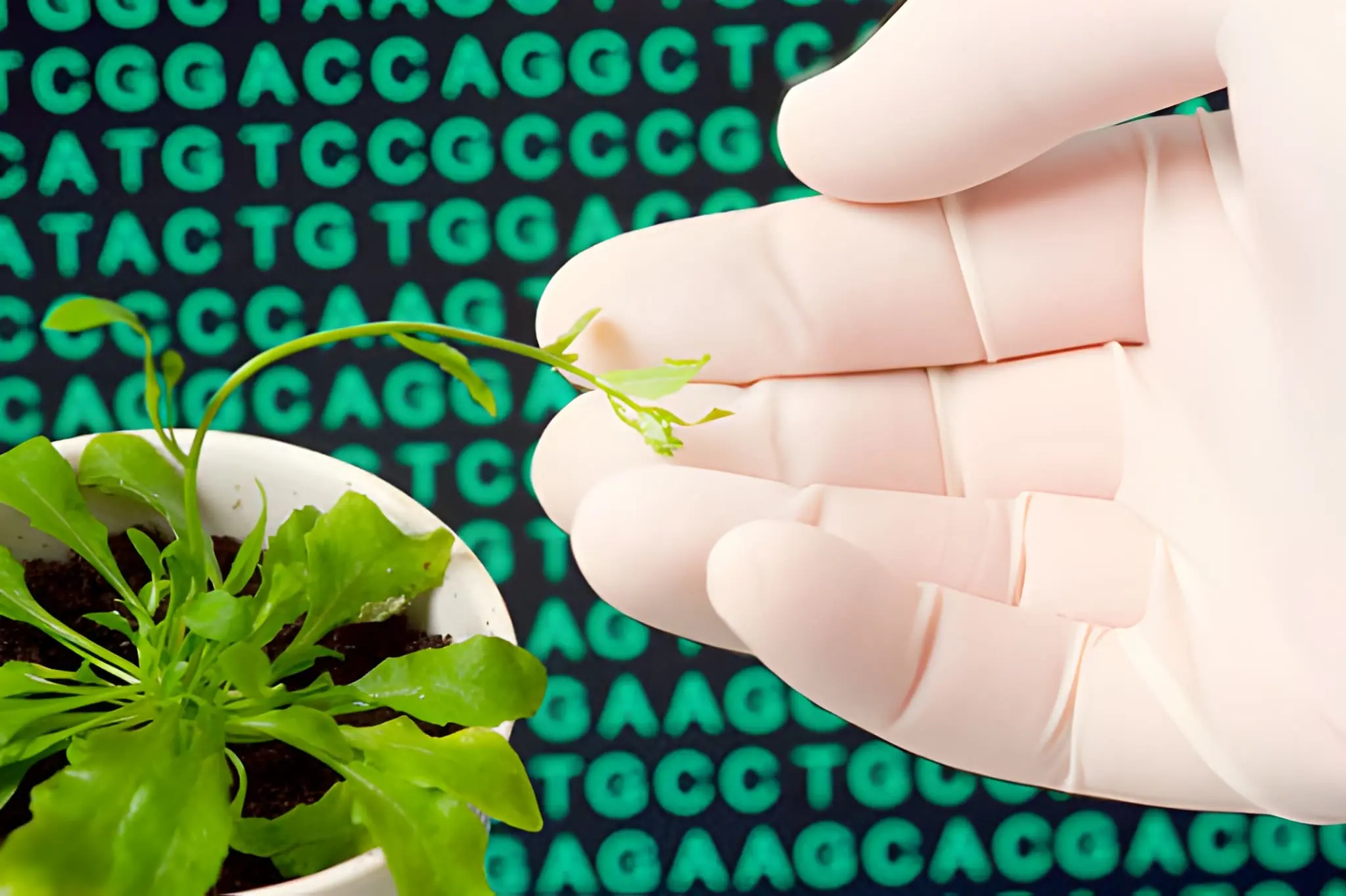
Introduction: Two Distinct Paths in Plant Propagation
In modern horticultural discussions, plant propagation is increasingly viewed through a scientific and educational lens. Within this context, Cannabis seeds and alternative propagation methods are often explored to better understand genetic diversity, plant stability, and long-term development. Rather than framing one approach as superior, examining how different propagation techniques function provides valuable insight into plant biology as a whole.
Genetic Diversity and Natural Variation
Seeds represent the natural reproductive cycle of a plant. Each seed carries a unique genetic combination created through sexual reproduction. This natural variation is one of the most significant characteristics of seed-based propagation. Even when seeds originate from the same genetic line, subtle differences can occur, influencing traits such as structure, aroma, and growth behavior.
From an educational standpoint, this variability highlights how genetics function in real-world conditions. It demonstrates inheritance patterns, dominant and recessive traits, and the role of genetic expression. For collectors, researchers, and enthusiasts, seeds provide a direct connection to the evolutionary processes that shape plant diversity over time.
Stability and Predictability in Plant Development
In contrast, Cannabis clones are produced through asexual propagation, meaning they are genetically identical to the parent plant. This method bypasses genetic variation entirely, resulting in plants that express consistent characteristics across multiple generations. From a scientific perspective, this uniformity allows for precise observation of how specific genetics perform under different environmental conditions.
Clonal propagation is often discussed in terms of stability. Because genetic variables are minimized, changes in plant performance can be more easily attributed to external factors rather than inherited differences. This makes clones a useful reference point when studying environmental influence on plant development.
Root Formation and Early Growth Stages
Another key distinction lies in early growth behavior. Seed-grown plants develop a taproot system, which can contribute to structural strength and efficient nutrient uptake over time. This root architecture forms naturally during germination and plays a role in how the plant adapts to its surroundings.
Clones, on the other hand, develop root systems from cuttings or through tissue culture. Cuttings produce fibrous, non-centralized roots as the wound site, while tissue culture plantlets form their roots in a controlled medium before transplanting. Both methods create fine, fibrous root systems that influence how young plants establish themselves in their environment
Longevity and Life Cycle Considerations
Seeds begin their life cycle at the earliest possible stage, allowing the plant to progress through all natural phases of development. This full life cycle can influence overall resilience and adaptability. Botanists often point to this as an example of how starting conditions shape long-term plant behavior.
Clones taken from mother plants enter the life cycle at a later stage, effectively continuing the biological age of the parent plant. While this does not inherently limit quality, it does create a different developmental trajectory. Understanding this distinction helps explain why propagation choice can influence plant timing and performance patterns.
Educational and Botanical Value
From a broader botanical perspective, both propagation methods serve important roles. Seeds are essential for preserving genetic diversity and supporting long-term breeding projects. Clones, by contrast, provide consistency and allow for controlled observation of specific genetic traits.
Studying both approaches encourages a more complete understanding of plant biology. It reinforces the idea that propagation is not a one-size-fits-all process, but a set of tools used for different scientific and educational objectives.
Conclusion: Understanding Propagation Through a Scientific Lens
When examined objectively, Cannabis seeds and clonal propagation represent two distinct yet complementary approaches to plant reproduction. One emphasizes genetic diversity and natural variation, while the other prioritizes consistency and predictability. By understanding how each method influences plant development, readers gain a clearer and more informed perspective on propagation science without oversimplification or assumption.
Also Read-🌍 What Is Corporate Social Responsibility? A Practical Guide for Modern Businesses 2k25 Update